T'ang Haywen Chinese - French, 1927-1991

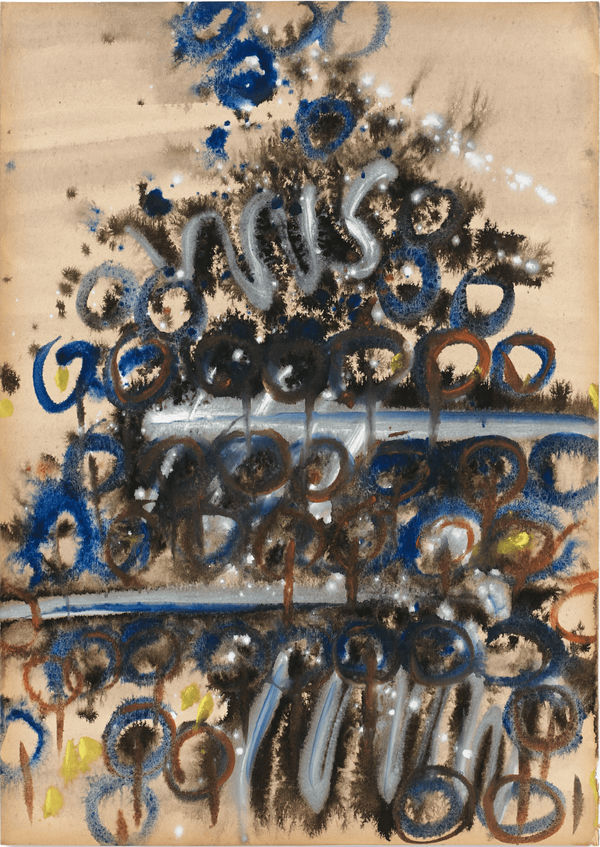
T’ang Haywen developed a style of painting that bridges the tradition of Chinese ink wash and Western modernity. Having settled in Paris in 1948, he initially practiced figurative painting before gradually turning to ink in the 1960s.
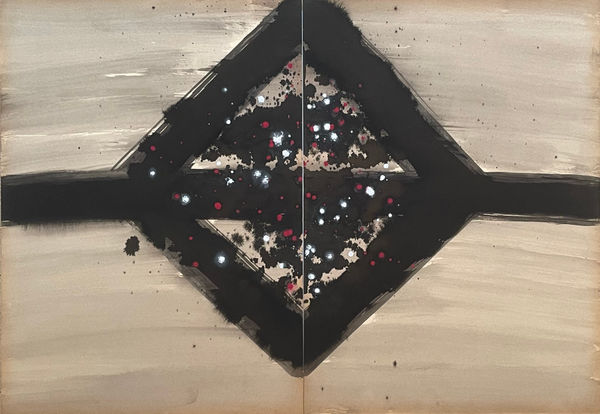
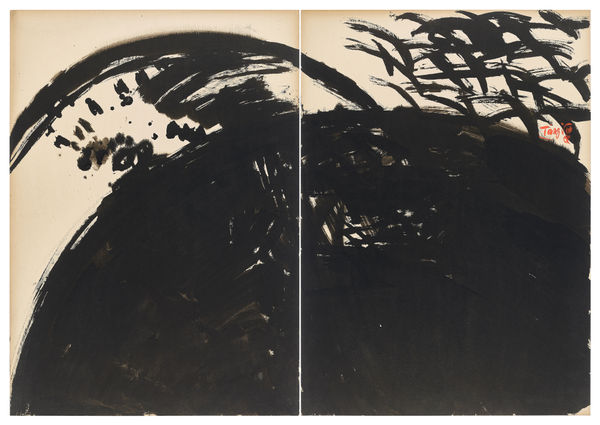
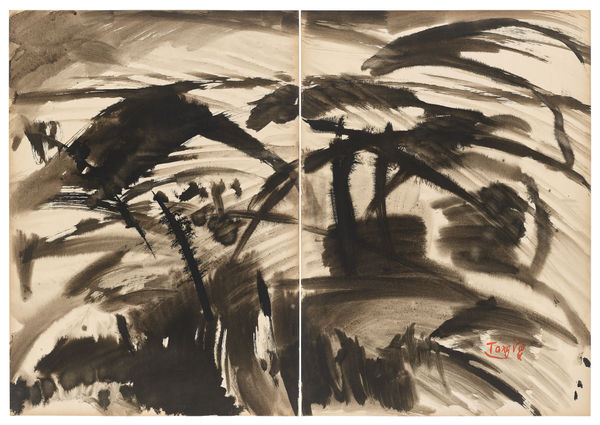
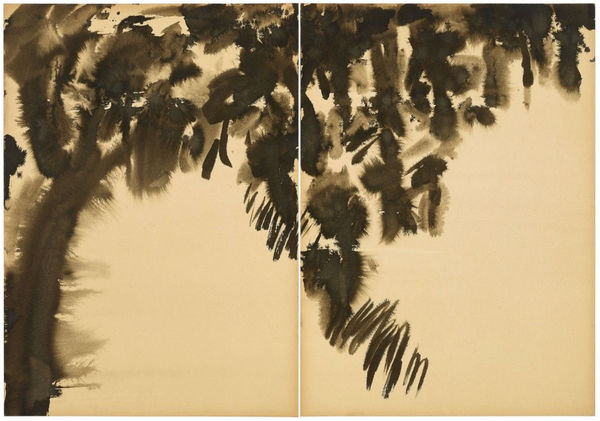
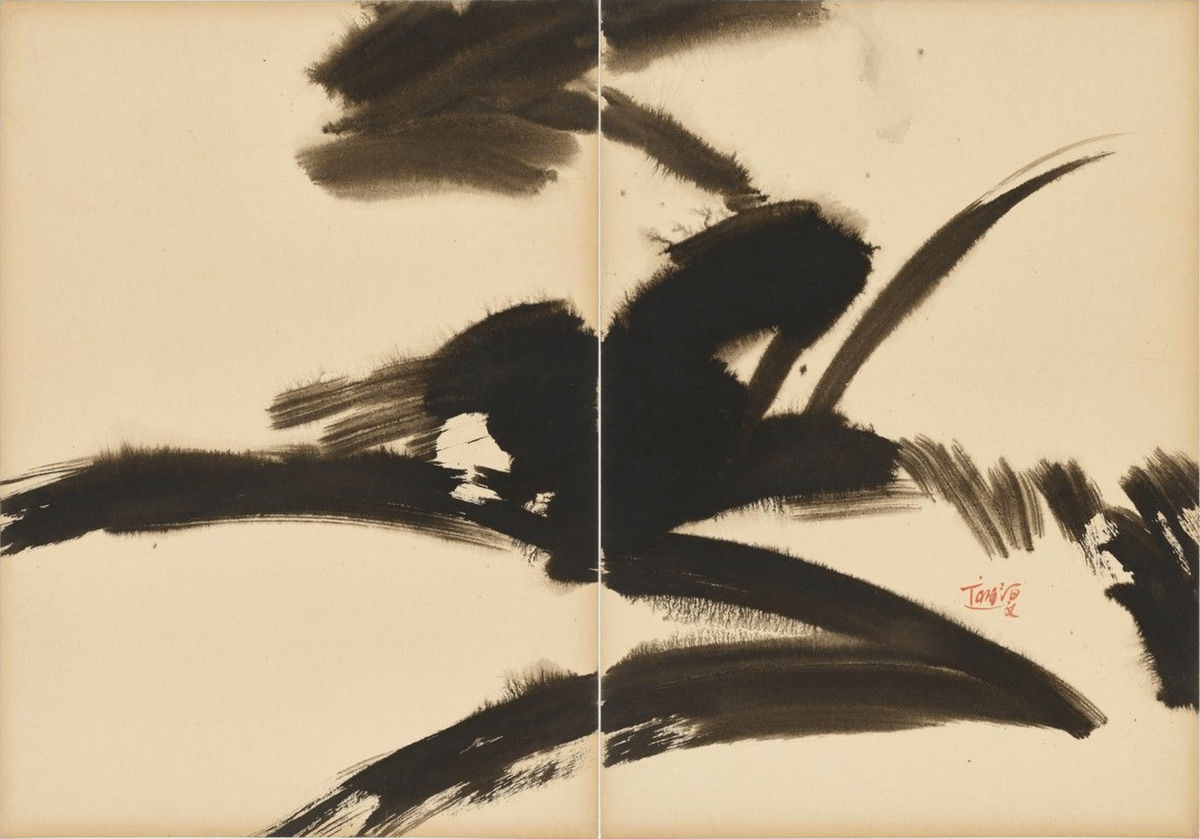
His work is grounded in the principles of calligraphy and a highly fluid approach to gesture. For him, ink became a means of exploring movement, emptiness, and the interplay between black and white, rather than merely a tool for representation. His diptychs—which hold a significant place in his body of work—serve to create a dialogue between the two panels and introduce a sense of breath and movement into the composition.
Without seeking to replicate the traditional forms of Chinese painting, T’ang Haywen reinterprets them through a contemporary sensibility. His work thus takes shape in the space between two cultures and two conceptions of painting, where gesture, ink, and emptiness become the primary vehicles of his expression.
-
 T'ang HaywenSans titre, 1967Gouache and ink on Kyro board.70 x 50 cm.
 -
T'ang HaywenSans titre, 1970Ink on Kyro board70 x 100 cm
27 1/2 x 39 3/8 in.
Diptych -
T'ang HaywenSans titre, 1970Ink, wash and gouache on Kyro cardboard70 x 100 cm
Diptych -
T'ang HaywenSans Titre, 1970Ink on Kyro cardboard (diptych)70 x 100 cmSigned on the upper right corner
-
T'ang HaywenSans Titre, 1970Ink on Kyro cardboard (diptych)70 x 100 cmSigned on the lower right corner
-
T'ang HaywenSans titre, 1972-3Ink on Kyro board70 x 100 cm
27 1/2 x 39 3/8 in.
Diptych -
T'ang HaywenUntitled, 1973Ink on Kyro board70 x 100 cmSigned on the lower right
-
T'ang HaywenUntitled, 1973Ink on Kyro board70 x 100 cm
-
T'ang HaywenSans titre, 1974Ink on Kyro paper70 x 100 cm (diptych)Signed in red ink on the lower right corner
-
T'ang HaywenSans titre, 1975Ink on Kyro board70 x 100 cm
27 1/2 x 39 3/8 in.
Diptych -
T'ang HaywenSans titre, 1975Gouache on paper (diptych)
70 × 100 cm
27 3/5 × 39 2/5 inSigned on the right side -
T'ang HaywenUntitled, 1975Ink on Kyro board70 x 100 cmSigned on the lower right
-
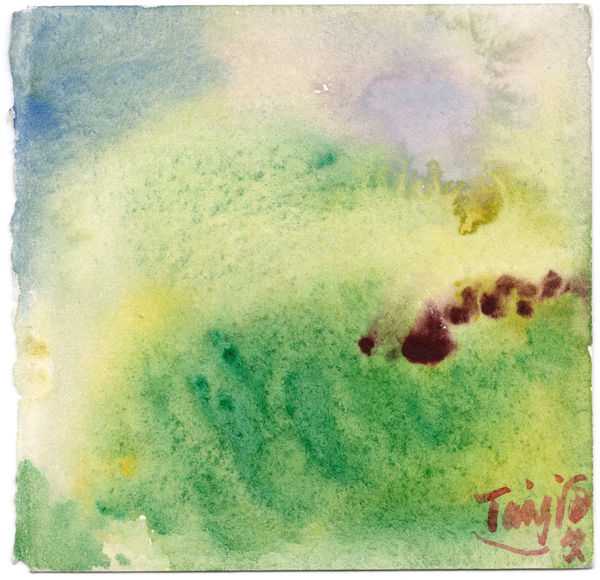
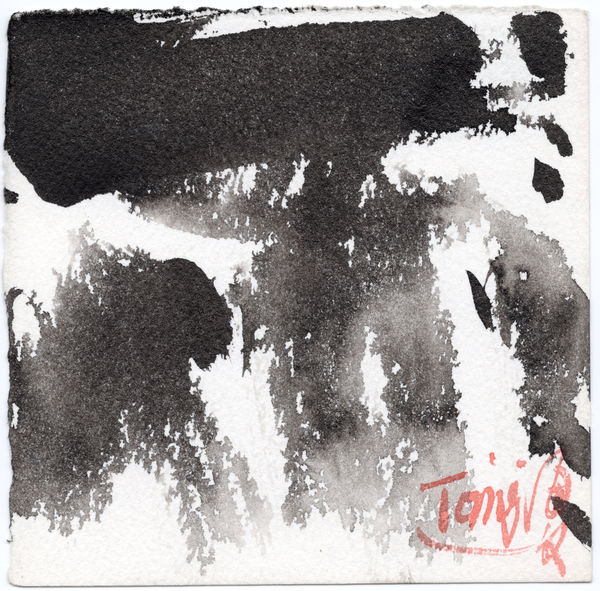
T'ang HaywenSans titre , 1980Watercolour on paper10 x 10.5 cmSigned on the lower right.
-
T'ang HaywenSans titre, 1980Watercolour on Arches paper11.5 x 23 cm
-
T'ang HaywenSans titre, 1983-84Gouache on paper30 x 42 cm
DiptychSigned on the lower right corner. -
T'ang HaywenSans titre, 1983-84Gouache and ink on paper
30 x 42 cm
DiptychSigned on the lower right corner. -
T'ang HaywenSans titre, 1985Ink on Arches paper10.5 x 11 cmSigned on the lower right corner.
-
T'ang HaywenSans titre , 1985Ink on Arches paper.14 x 13.5 cm
Double-faceSigned on the lower right. -
T'ang HaywenSans titre, 1985Watercolour on paper22.3 x 38 cm
Diptych -
T'ang HaywenSans titre, 1985Ink on Arches wove paper.70 x 100 cm
DiptychSigned on the lower right corner. -
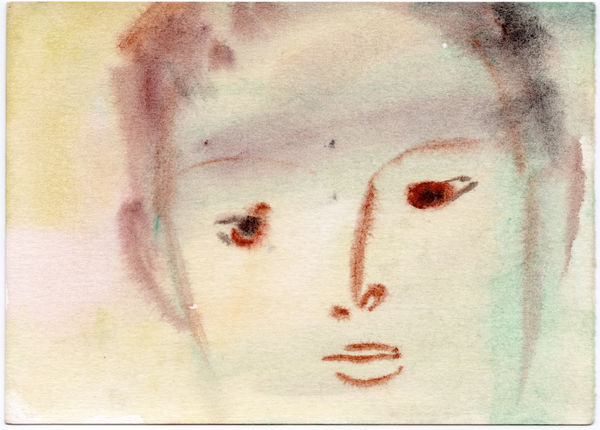
T'ang HaywenSans titre (Portrait), 1985Watercolour on Arches paper11 x 15 cm
-
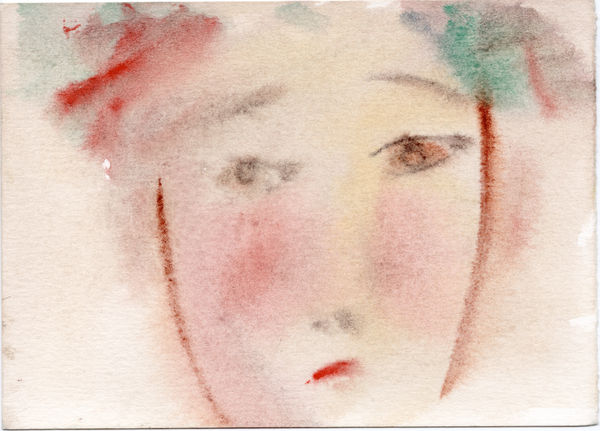
T'ang HaywenSans titre (Portrait), 1985Watercolour on Arches paper11 x 15 cm
-
T'ang HaywenSans titre (Portrait), 1985Watercolour on Arches paper11 x 15 cm
-
T'ang HaywenSans titre (Portrait), 1985Ink on Arches paper13.5 x 12 cmSigned on the lower right.
-
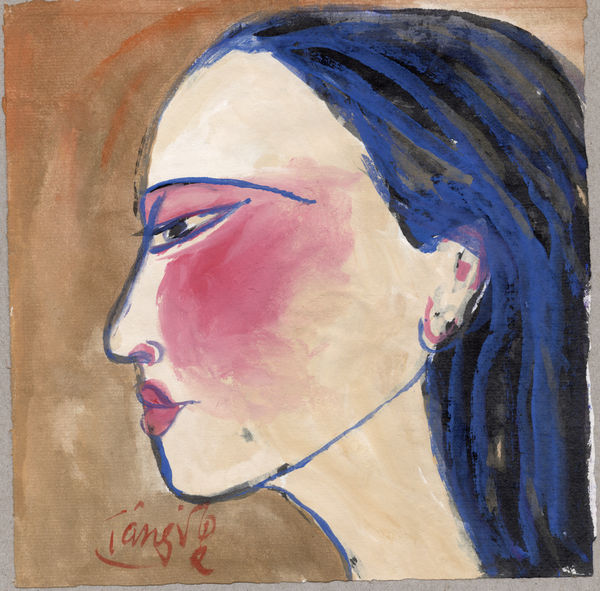
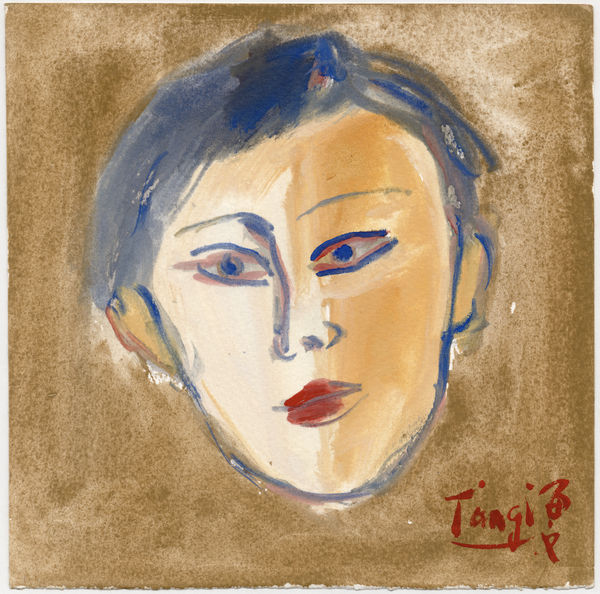
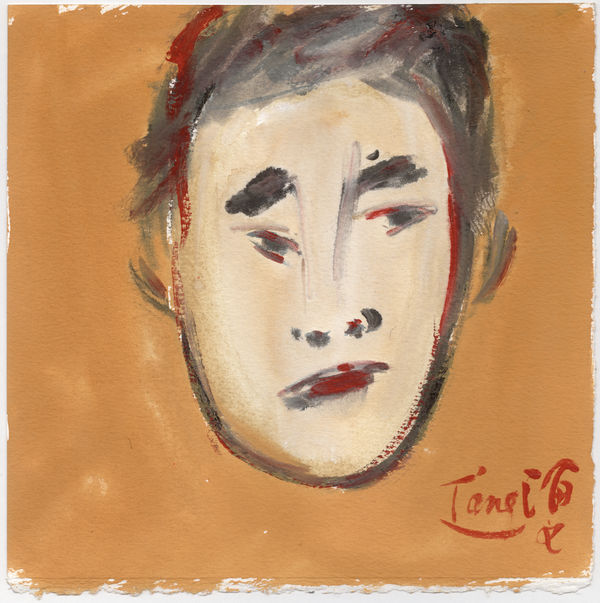
T'ang HaywenPortrait, 1985-1990Ink, watercolour and gouache on Arches paper.18 x 18 cmSigned on the lower left corner.
-
T'ang HaywenPortrait, 1985-1990Ink, watercolour and gouache on Arches paper.18 x 18 cm.Signed on the lower right-hand corner.
-
T'ang HaywenPortrait, 1985-1990Ink, watercolour and gouache on Arches paper.18 x 18 cm.Signed on the lower right hand corner.
-
T'ang HaywenSans titre, c. 1976Ink on board, diptych70 x 100 cm (27 1/2 x 39 3/8 in.)
94.5 x 124.3 cm, framedThis work will be included in the catalog raisonné T'ANG Haywen in preparation by T'ang Haywen Archives and Mr. Philippe Koutouzis under the number: LDI - KY - 85.Inscribed on the back by T'ang, "7611PJ" -
T'ang HaywenSans titre, c. 1975Ink on paper75 x 105 cm (29 1/2 x 41 1/4 in.)This work will be included in the catalog raisonné T'ANG Haywen in preparation by T'ang Haywen Archives and Mr. Philippe Koutouzis under the number: XLMI - KW - 11.
-
T'ang HaywenSans titre, c. 1976Ink on Kyro paper; dyptich70 x 100 cm (27 1/2 x 39 3/8 in.)
94.5 x 124.7 cm, framedThis work will be included in the catalog raisonné T'ANG Haywen in preparation by T'ang Haywen Archives and Mr. Philippe Koutouzis under the number: LDI - KY - 88.Inscribed on the back by T'ang, "7612PJ"










-

Fine Arts Paris 2026
Stand C23 - Grand Palais September 21, 2026Read more -

Salon du Dessin Preview 2026
A Preview of our selection for the upcoming Salon du Dessin 2026 at the Palais Brongniart where the gallery will participate for the first time. February 21, 2026Opened in 2009 next to the Picasso Museum in Paris, in the heart of the Marais district, the Galerie Jean-François Cazeau is both the heir...Read more -

BRAFA 2026 PREVIEW
January 9, 2026Discover our highlights for the BRAFA 2026, in Brussels, from January 25th to the 1st of February.Read more -

BRAFA Art Fair 2024
January 24, 2024Read more -
PAD 2023
Highlights March 23, 2023Read more
-

Salon du Dessin 2026
Palais Brogniart (Place de la Bourse 75002 Paris) 25 - 30 Mar 2026For its first-ever participation in the Salon du Dessin, the gallery is presenting an exhibition that highlights the variations in 20th-century work on paper. Works...Read more -

FAB 2025 : Fine Arts La Biennale
20 - 24 Sep 2025This year, for its second participation in FAB Paris, which will be held at the Grand Palais from 20 to 24 September 2025, the Galerie...Read more -

Le Printemps asiatique 2025
5 - 12 Jun 2025Printemps asiatique Paris 2025 Pagode Rue de Courcelles Semaine des arts d'asieRead more -

BRAFA Art Fair 2025
26 Jan - 2 Feb 2025As every year, the gallery is delighted to showcase its selection of Impressionnist and Modern works at the BRAFA Art Fair in Brussels, in an eclectic booth.Read more -

FINE ARTS - LA BIENNALE 2024
Grand Palais 22 - 27 Nov 2024The Galerie Jean-François Cazeau has the pleasure to announce its participation at the 2024 edition of FAB - Fine Arts La Biennale. The prestigious art...Read more -

Printemps asiatique 2024
T'ang Haywen: Chemins de l'encre 6 - 13 Jun 2024For this year's Printemps asiatique, Galerie Jean-François Cazeau is pleased to invite you to La Pagode for a monographic exhibition focusing on the work of...Read more -

BRAFA 2024
28 Jan - 4 Feb 2024Galerie Jean-François Cazeau, located in the Marais district of Paris since 2009, builds bridges between the Modern Masters and post-war art on both sides of...Read more -

Printemps Asiatique 2023
T'ang Haywen/ Nicolas Lefeuvre : la poésie du geste 7 - 16 Jun 2023Read more -

PAD Paris 2023
29 Mar - 2 Apr 2023ARTISTES présentés : César Baldaccini (1921-1998), Olivier Debré (1920-1999), Max Ernst (1891-1976), Leonor Fini (1908-1996), T’ang Haywen (1927-1991), Auguste Herbin (1882-1960), Wifredo Lam (1902- 1982), Fernand Léger (1881-1955), Nicolas Lefeuvre (1975-), Sol LeWitt (1928-2007), André Lhote (1885- 1962), André Masson (1896-1987), Henri Matisse (1869-1954), Joan Miró (1893-1983), Pablo Picasso (1881-1973), Niki de Saint-Phalle (1930-2002), Tom Wesselmann (1931-2004)Read more -

PAD 2022
Design + Art 5 - 10 Apr 2022Read more

T’ang Haywen was a painter of Chinese origin; born in 1927, he died in 1991. He worked primarily in Paris.
Calligraphy played a significant role in his approach to painting—a legacy from his grandfather, who had passed on the principles of the art form to him.
T’ang Haywen arrived in France in 1948, ostensibly to study medicine at his family’s request. Ultimately, however, he chose to dedicate himself to art and settled permanently in Paris. He attended the Académie de la Grande Chaumière and studied Western painting by regularly visiting Parisian museums. He took a particular interest in the works of great Western masters; early in his career, he produced figurative paintings—including portraits, landscapes, and still lifes—using oil or acrylic paints.
From the mid-1960s onwards, his work gradually shifted toward the use of ink. This transformation was accompanied by a move closer to the principles of traditional Chinese painting and calligraphy, while remaining informed by his experience of Western artistic modernity. T’ang Haywen thus developed a personal practice situated between these two pictorial traditions.
In the late 1960s, he notably developed the large-scale diptychs that became a hallmark of his work.
He remained apart from the art movements and commercial circuits of his time. Nevertheless, he pursued a constant exploration of ink, gesture, and the relationship between the visible world and thought. He died in Paris in 1991.
Since his passing, his work has garnered increasing recognition; notably, the Musée Guimet dedicated an exhibition to him in 2024.
-
Fine Arts Paris 2026
Stand C23 - Grand Palais Sep 21, 2026Read more -

Salon du Dessin 2026
Palais Brogniart (Place de la Bourse 75002 Paris) 25 - 30 Mar 2026For its first-ever participation in the Salon du Dessin, the gallery is presenting an exhibition that highlights the variations in 20th-century work on paper. Works...Read more -
Salon du Dessin Preview 2026
A Preview of our selection for the upcoming Salon du Dessin 2026 at the Palais Brongniart where the gallery will participate for the first time. Feb 21, 2026Opened in 2009 next to the Picasso Museum in Paris, in the heart of the Marais district, the Galerie Jean-François Cazeau is both the heir...Read more -
BRAFA 2026 PREVIEW
Jan 9, 2026Discover our highlights for the BRAFA 2026, in Brussels, from January 25th to the 1st of February.Read more -
FAB 2025 : Fine Arts La Biennale
20 - 24 Sep 2025This year, for its second participation in FAB Paris, which will be held at the Grand Palais from 20 to 24 September 2025, the Galerie...Read more -

Le Printemps asiatique 2025
5 - 12 Jun 2025Printemps asiatique Paris 2025 Pagode Rue de Courcelles Semaine des arts d'asieRead more -
BRAFA Art Fair 2025
26 Jan - 2 Feb 2025As every year, the gallery is delighted to showcase its selection of Impressionnist and Modern works at the BRAFA Art Fair in Brussels, in an eclectic booth.Read more -
FINE ARTS - LA BIENNALE 2024
Grand Palais 22 - 27 Nov 2024The Galerie Jean-François Cazeau has the pleasure to announce its participation at the 2024 edition of FAB - Fine Arts La Biennale. The prestigious art...Read more -
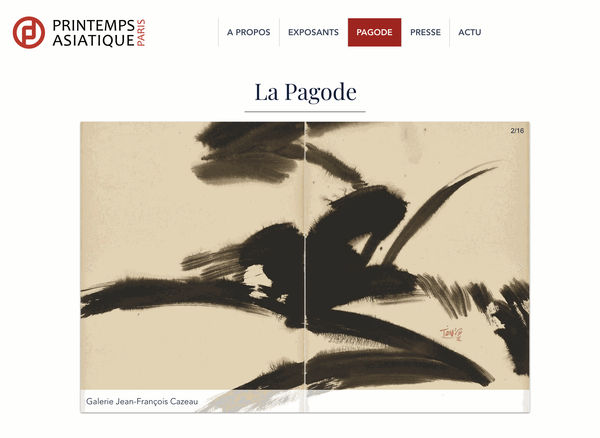
Printemps asiatique 2024
T'ang Haywen: Chemins de l'encre 6 - 13 Jun 2024For this year's Printemps asiatique, Galerie Jean-François Cazeau is pleased to invite you to La Pagode for a monographic exhibition focusing on the work of...Read more -
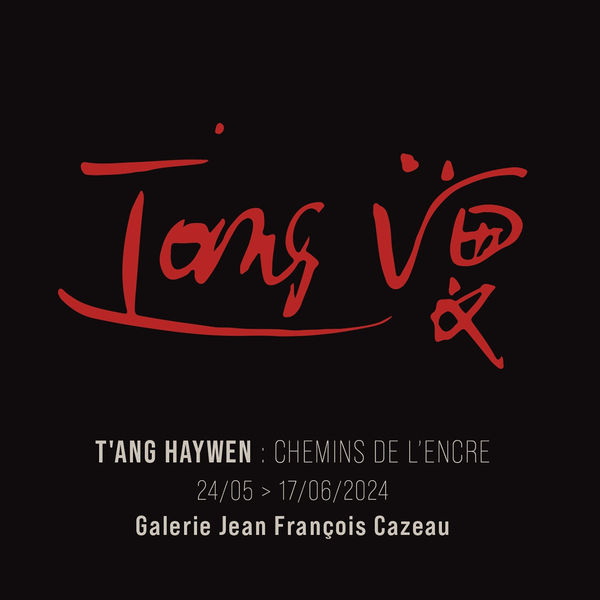
T'ang Haywen: Chemins de l'encre
Printemps Asiatique 2024 24 May - 17 Jun 2024One of the great masters of ink of the second half of the 20th century, the work of T’ang Haywen (1927-1991) reveals a profound universe,...Read more -
BRAFA 2024
28 Jan - 4 Feb 2024Galerie Jean-François Cazeau, located in the Marais district of Paris since 2009, builds bridges between the Modern Masters and post-war art on both sides of...Read more -
BRAFA Art Fair 2024
Jan 24, 2024Read more -
Printemps Asiatique 2023
T'ang Haywen/ Nicolas Lefeuvre : la poésie du geste 7 - 16 Jun 2023Read more -
PAD Paris 2023
29 Mar - 2 Apr 2023ARTISTES présentés : César Baldaccini (1921-1998), Olivier Debré (1920-1999), Max Ernst (1891-1976), Leonor Fini (1908-1996), T’ang Haywen (1927-1991), Auguste Herbin (1882-1960), Wifredo Lam (1902- 1982), Fernand Léger (1881-1955), Nicolas Lefeuvre (1975-), Sol LeWitt (1928-2007), André Lhote (1885- 1962), André Masson (1896-1987), Henri Matisse (1869-1954), Joan Miró (1893-1983), Pablo Picasso (1881-1973), Niki de Saint-Phalle (1930-2002), Tom Wesselmann (1931-2004)Read more -
PAD 2022
Design + Art 5 - 10 Apr 2022Read more